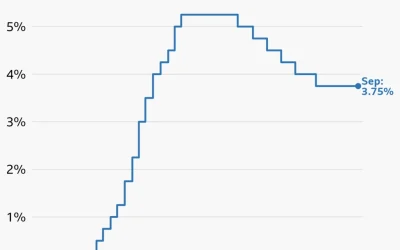

The Bank of England increased its base rate from 3.75% to 4% on Thursday, 5 November, as policymakers respond to concerns about rising inflation.
The renewed escalation of the conflict involving Iran has increased concerns about energy costs and broader household expenses. Mortgage rates rose during the summer and autumn as financial markets anticipated higher interest rates.
Fixed mortgage pricing, though, does not simply follow the Bank of England’s current base rate. It is heavily influenced by swap rates, which reflect expectations about future borrowing costs.
According to iNews, five-year swap rates stand at 4.61%, while two-year swaps are at 4.6%. Their recent stability has given lenders greater scope to adjust mortgage pricing despite the anticipated increase in the base rate.
Competition is another factor. With fewer buyers active in the housing market, lenders are seeking to attract customers and meet lending targets before the end of the year.