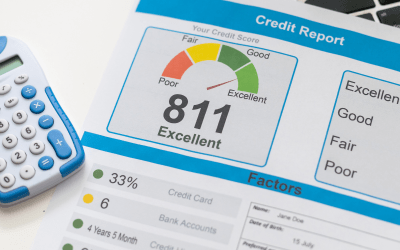
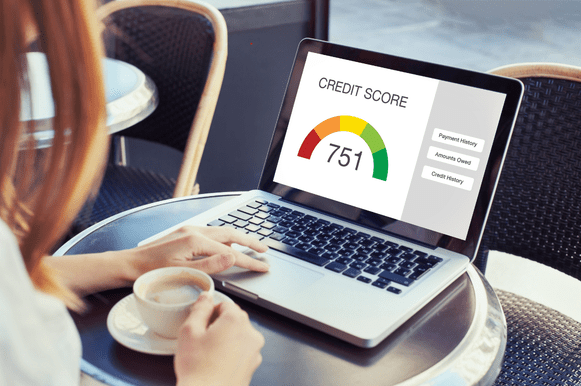
Understanding how to improve your credit score is an important part of managing your financial health. In the UK, your credit score gives lenders an indication of how reliably you’ve handled credit in the past. While it’s not the only factor lenders consider, maintaining a strong credit profile can make it easier to access financial products in the future.
If you’re looking to improve your credit score, it’s helpful to understand what influences it. Your credit score is based on the information in your credit report, which is compiled by credit reference agencies such as Experian, Equifax and TransUnion. This report contains details about your borrowing history, repayment behaviour and other financial data.
The good news is that there are several practical steps you can take to improve your credit score over time. Many of these involve building positive financial habits and maintaining consistency in how you manage credit.
Register on the Electoral Roll
One of the simplest ways to help improve your credit score is by registering on the electoral roll at your current address. This allows lenders to confirm your identity and verify where you live.
Being registered to vote provides an additional layer of credibility when companies carry out identity checks. If you’re not on the electoral roll, lenders may find it more difficult to confirm your details, which can affect their confidence when assessing applications.
You can register even if you live in shared accommodation, rent your home, or live with family. Registration is free and usually only takes a few minutes to complete online through the UK government website.
If you move house, remember to update your electoral registration with your new address. Keeping these details current can contribute positively as you work to improve your credit score.
Build Your Credit History
Having little or no credit history can make it harder for lenders to evaluate your financial behaviour. Without a record of borrowing and repayments, lenders simply don’t have enough information to judge how reliable you may be as a borrower.
This is a common situation for younger people, students, or those who have recently moved to the UK. In these cases, building a credit history is an important step toward establishing financial credibility.
Using credit responsibly over time can help create this history. For example, a mobile phone contract or a credit card that is managed carefully can demonstrate that you can borrow and repay money responsibly.
Developing a track record of well-managed accounts is one of the most effective ways to improve your credit score in the long term.
Make Payments on Time
Your payment history is one of the most influential factors affecting your credit score. Consistently paying your bills and credit accounts on time shows lenders that you are reliable when it comes to managing financial commitments.
Late payments or missed payments can remain on your credit report for several years and may negatively affect your score during that time. Even a single missed payment can make a difference.
Setting up direct debits for regular bills can help ensure payments are made on time each month. If possible, paying off your balance in full can also help you avoid interest charges and keep your finances under control.
Maintaining a strong record of on-time payments is one of the most straightforward ways to improve your credit score.
Keep Your Credit Utilisation Low
Credit utilisation refers to how much of your available credit you are currently using. Lenders often look at this ratio when assessing your credit profile.
For example, if you have a credit card limit of £2,000 and your balance is £1,000, your utilisation rate is 50%. In general, lenders prefer to see lower utilisation levels, as this suggests you are not overly dependent on credit.
A commonly recommended guideline is to keep your credit utilisation below around 30% of your available limit where possible. Lower utilisation can signal responsible credit management and may help strengthen your credit profile.
Reducing balances when possible and spreading spending across available credit responsibly may help you gradually improve your credit score.
Maintain Long-Standing Accounts
The length of your credit history can also influence your credit score. Older accounts that have been managed responsibly may demonstrate stability and a longer record of borrowing behaviour.
Closing older accounts unnecessarily could shorten your credit history and potentially affect your overall credit profile. It may also reduce your total available credit, which could increase your credit utilisation ratio.
While it’s still sensible to review your accounts periodically, maintaining well-managed, long-standing accounts can support your efforts to improve your credit score over time.
Check Your Credit Report Regularly
Monitoring your credit report is a helpful way to understand your financial standing and track your progress. By reviewing your report regularly, you can see what lenders may see when assessing an application.
Checking your report also allows you to spot potential inaccuracies. Occasionally, errors such as incorrect addresses, outdated account information, or unfamiliar credit activity may appear on reports.
If you notice a mistake, you can contact the relevant credit reference agency to request an update or correction. Ensuring your credit report is accurate can help support your efforts to improve your credit score.
Avoid Too Many Credit Applications
Each time you apply for credit, lenders may carry out a hard search on your credit file. Several applications in a short period of time could signal financial pressure and may temporarily lower your score.
If you’re considering applying for credit, it can help to research eligibility beforehand or use tools that provide soft checks that don’t affect your credit file.
Being selective about when you apply for credit can help maintain a more stable credit profile as you work to improve your credit score.
Relevance for Home Buyers
If you’re planning to buy a home, taking steps to improve your credit score is particularly important. Mortgage lenders in the UK use your credit score to assess your reliability as a borrower and to determine the interest rate you may be offered. A higher credit score can not only increase your chances of mortgage approval but may also help you access more favourable borrowing terms, potentially saving you thousands over the life of your mortgage.
Even if you already have a deposit saved, a low credit score can make it harder to secure competitive mortgage offers. By focusing on responsible financial habits such as paying bills on time, keeping your credit utilisation low, and maintaining a strong credit history, you are actively strengthening your mortgage application profile. For first-time buyers or those moving home, these steps can be just as important as saving for a deposit when it comes to achieving your homeownership goals.
Develop Responsible Financial Habits
Taking steps to improve your credit score is usually about building consistent, responsible financial habits rather than finding quick fixes. Registering on the electoral roll, paying bills on time, maintaining low credit utilisation and building a solid credit history can all contribute to a healthier credit profile.
While improvements may not happen overnight, maintaining these habits over time can strengthen your credit record and support your overall financial wellbeing. By understanding the key factors involved, you can take practical steps to improve your credit score and maintain greater control over your financial future.