
Choosing between a fixed rate and a tracker mortgage in the UK comes down to a trade-off between certainty and flexibility.
Fixed deals offer peace of mind with unchanged monthly payments, while tracker rates follow the Bank of England base rate, offering potentially lower initial costs and greater overpayment freedom.
Fixed Rate Mortgages
- How it works: Your interest rate is locked for a set period (usually 2, 3, or 5 years). Your monthly repayments stay exactly the same, protecting you from rate hikes
- Pros: Ideal for budgeting. You are entirely protected if interest rates rise. [1, 2]
- Cons: Rates are typically higher than trackers, and you won’t benefit if base rates drop. Leaving the deal early incurs hefty Early Repayment Charges (ERCs
Tracker Mortgages
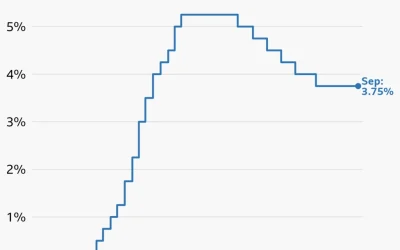
- How it works: Your rate follows the Bank of England (BoE) base rate, plus a set percentage added by the lender (e.g., BoE base rate + 0.5%). Your monthly payments go up and down whenever the base rate changes. [1, 2, 3]
- Pros: Often offer a lower starting pay rate than fixes. Many tracker deals come with no Early Repayment Charges, giving you the flexibility to overpay or switch to a fixed rate without penalty. [1, 2, 3, 4]
- Cons: Budgeting can be challenging, as higher inflation directly increases your monthly costs. [1, 2]
Current Market Rates
UK mortgage markets remain fluid. Generally, short-term tracker rates (e.g., starting below 4%) have sat slightly below many 2-year and 5-year fixed-rate deals (which typically range from roughly 4.5% to 5.5% depending on your deposit or Loan-to-Value). [1, 2]
Which Should You Choose?
- Go Fixed if: You are risk-averse, want strict budgeting for a few years, and would panic if payments suddenly increased.
- Go Tracker if: You value flexibility, plan to move or overpay aggressively, or believe interest rates will stabilize or fall.